How To Play A Hand Chime
Planetary Hand Chime Anatomy
Each hand chime consists of an aluminum tube body, used as a handle, and linear cutouts at the base of the chime, called the slots. The wings of the tube left after the slots are bored out are called the chime tines. The pitch of the chime is determined by the size of the tube and the slot that is cut out. 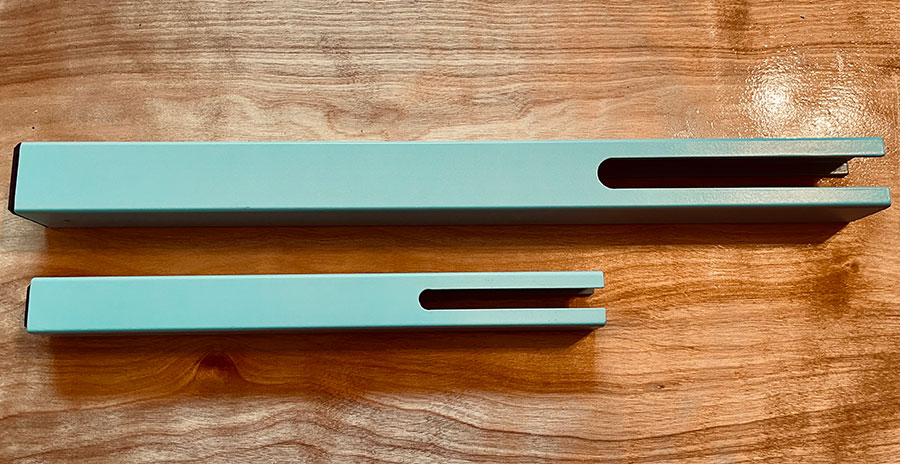
Each Acutonics Planetary Hand Chime comes with bored holes at the top of the chime tube for stringing and hanging the chime if desired.
Selecting The Right Mallet
Mallets are everything. Acutonics provides recommended companion mallets for each chime product offered.
Soft rubber or felt-covered mallets are typically used to produce a mellow, resonant sound. Harder mallets can produce a sharper, more percussive sound but might damage the chime.
Ensure the mallet is the right size for the hand chime. Smaller mallets are suitable for smaller chimes, while larger mallets are better for larger chimes.
Playing A Hand Chime
- Hold the Hand Chime Correctly
- Grip: Hold the hand chime by its handle firmly but comfortably. Make sure your grip is secure so that the chime does not slip or move while playing.
- Position: Position the chime so that it hangs freely and is not obstructed by any surfaces or objects.
- Strike the Hand Chime
- Location: Identify the optimal striking point on the chime. This is usually near the center of the chime's length for the best resonance.
- Angle: Hold the mallet at a slight angle to ensure a clean, direct strike.
- Motion: Use a quick, controlled wrist motion to strike the chime. Avoid using too much force, as this can produce an unpleasant sound or damage the chime.
- Rebound: Allow the mallet to rebound naturally after striking the chime. Do not press the mallet against the chime, as this will dampen the sound.
- Experiment with Dynamics
- Volume Control: Vary the force of your strike to produce different dynamics. A gentle strike will produce a softer sound, while a firmer strike will produce a louder, more resonant tone.
- Articulation: Experiment with different striking techniques to achieve various articulations. For example, a quick, light tap can create a staccato effect, while a slower, more deliberate strike can produce a sustained tone.
- Tone Quality: Focus on producing a clear, resonant tone with each strike. Listen carefully and adjust your technique as needed to improve the sound quality.
- Integrate with other Sound Tools
- Discover how planetary hand chimes interact with the planetary tuning forks and gongs, and singing bowls.

- Discover how planetary hand chimes interact with the planetary tuning forks and gongs, and singing bowls.